



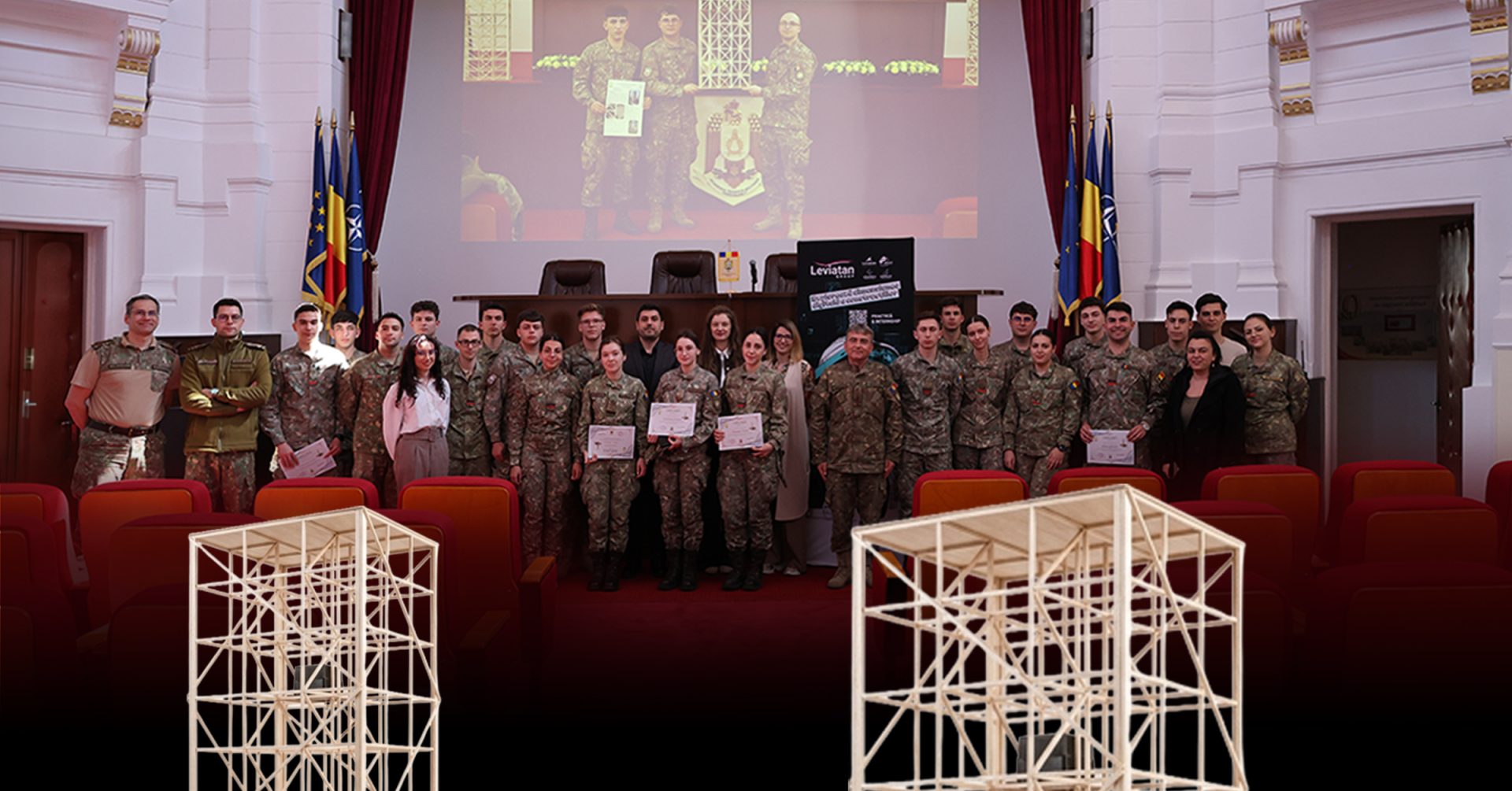

Leviatan Group, a consistent supporter of performance at the “Ferdinand I” Military Technical Academy
In a context where engineering must respond to increasingly complex challenges, hands-on experience becomes essential for shaping students. The seismic design competition organized by the “Ferdinand I” Military Technical Academy (ATM), held between March 30 and April 3, 2026, provided exactly this type of applied setting – one where theory is tested under conditions as close to reality as possible.
Leviatan Group supported this initiative, reaffirming its commitment to education and to developing a new generation of engineers prepared to understand and manage Romania’s specific structural risks. To reward the participants’ performance, involvement, and team spirit, the group of companies awarded attractive prizes to the top three teams: first place received 4 Verbatim Pocket external SSDs (USB 3.2 Gen 2, 1TB) and 5,000 RON; second place – 4 Samsonite Guardit 3.0 laptop backpacks (15.6″) and 3,500 RON; and third place – 4 Anker PowerCore 20000 mAh 30W power banks and 1,750 RON.
A competition built on Romania’s seismic realities
The competition theme was not chosen at random. Romania is among the European countries with a high seismic hazard, and Bucharest is among the most exposed cities. In this context, students were challenged to design and build a structure capable of responding to these risks.
More specifically, each team created a model that replicated the behavior of a real building subjected to seismic action, using standardized materials and conditions. The structures – made exclusively of balsa wood – followed a clearly defined configuration: a square footprint of 40×40 cm and a height regime of 12 levels, each floor measuring 100 mm.
Additionally, the models were equipped with sensors and subjected to dynamic testing on a shaking table, during which real seismic motions were simulated using the 1977 Vrancea earthquake accelerogram. The performance of each structure was evaluated not only based on collapse resistance, but also on structural efficiency – an indicator calculated as the ratio between the maximum supported acceleration and the model’s mass.
These details turned the competition into a genuine engineering exercise, where every design decision mattered.
More than a competition – a real learning environment
The first edition of the Seismic Design Competition confirmed the need for such applied experiences in students’ academic journeys. The competition created a framework in which participants could better understand the connection between theoretical concepts and their practical application – from analyzing structural behavior to choosing technical solutions and managing the model-building process.
At the same time, the competition brought together students at different stages of their education – from junior students experiencing their first direct contact with seismic engineering, to fourth-year students already working on their graduation projects. Thus, the initiative became not only a technical exercise but also a collaborative, creative, and educational environment that helps shape better-prepared future engineers.
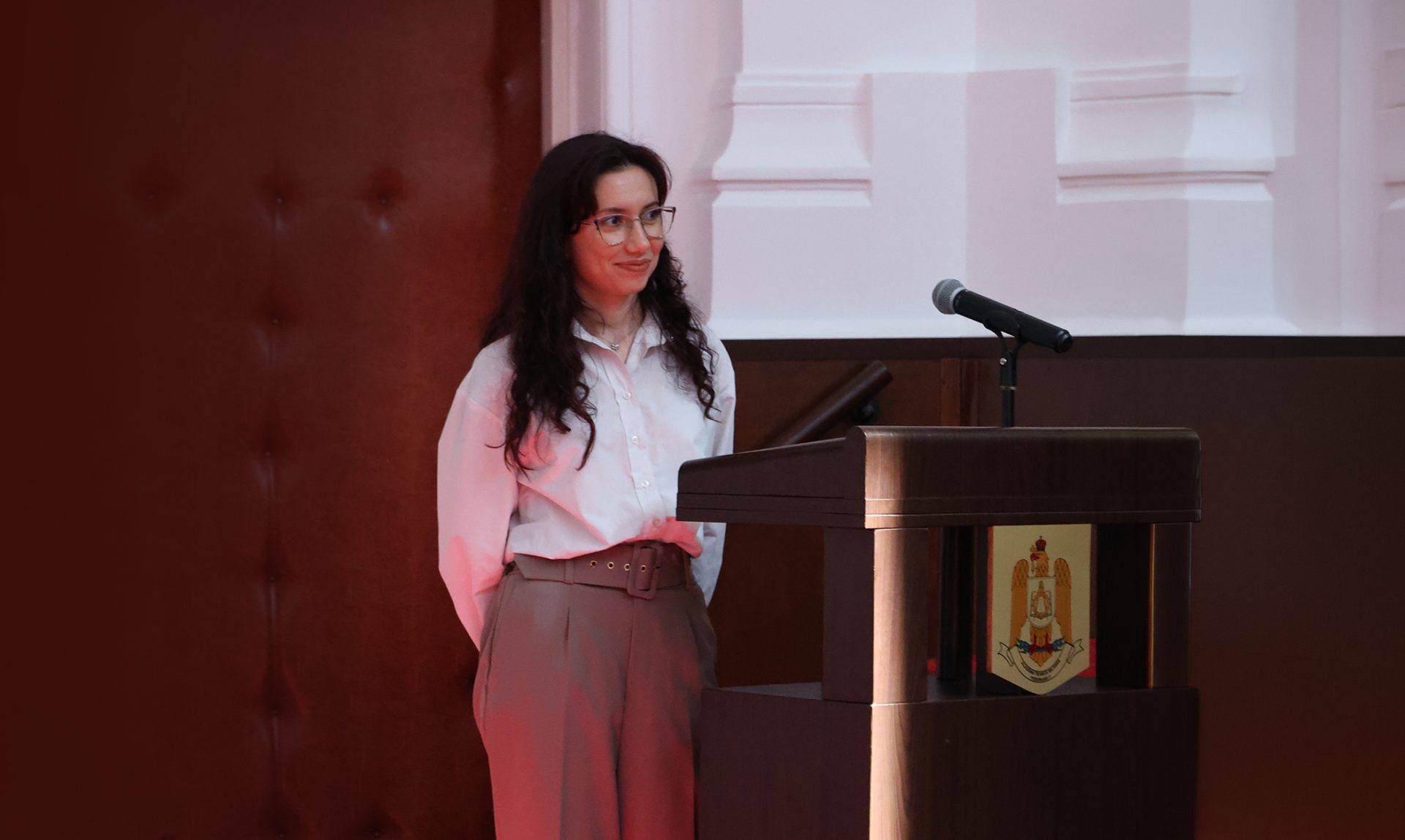
“For the organizers – faculty members directly involved in student training – this first edition represented more than a competition, serving as a valuable applied framework where theoretical knowledge was translated into practice. It was truly rewarding to observe the high level of involvement and interest shown by participants, as well as their collaboration within teams, combining ideas, making technical decisions, and efficiently managing the model-building process. We thank our partner, Leviatan Group, for their support, as it contributed to the success of this edition and to creating a valuable learning context for students,” said Lt. Eng. Angelica Stanciu, Specialist Officer within the Center of Excellence in Integrated Weapon Systems, Engineering, and Mechatronics.
This perspective is also reflected in how the teams were structured: students were assigned so that each team included members from different years of study, encouraging knowledge exchange and interdisciplinary collaboration.
Participants’ experience: between technical rigor and creativity
For students, the competition went beyond an academic exercise, becoming a comprehensive experience that combined design, execution, and testing – as highlighted by the first-place winners:
“Participating in this competition was a valuable academic experience for our team, as it allowed us to apply the theoretical knowledge acquired at the academy practically. Building and testing the model helped us better understand structural behavior and the importance of construction solutions under dynamic loads. We believe such initiatives are extremely important, as they stimulate engineering thinking, teamwork, and the ability to approach technical problems practically and creatively. We also appreciate the prize we received, which represents recognition of our effort and motivation to continue engaging in academic activities and similar projects,” said Florentin, Andrei, Andreea, and Cosmin, first-place winners.
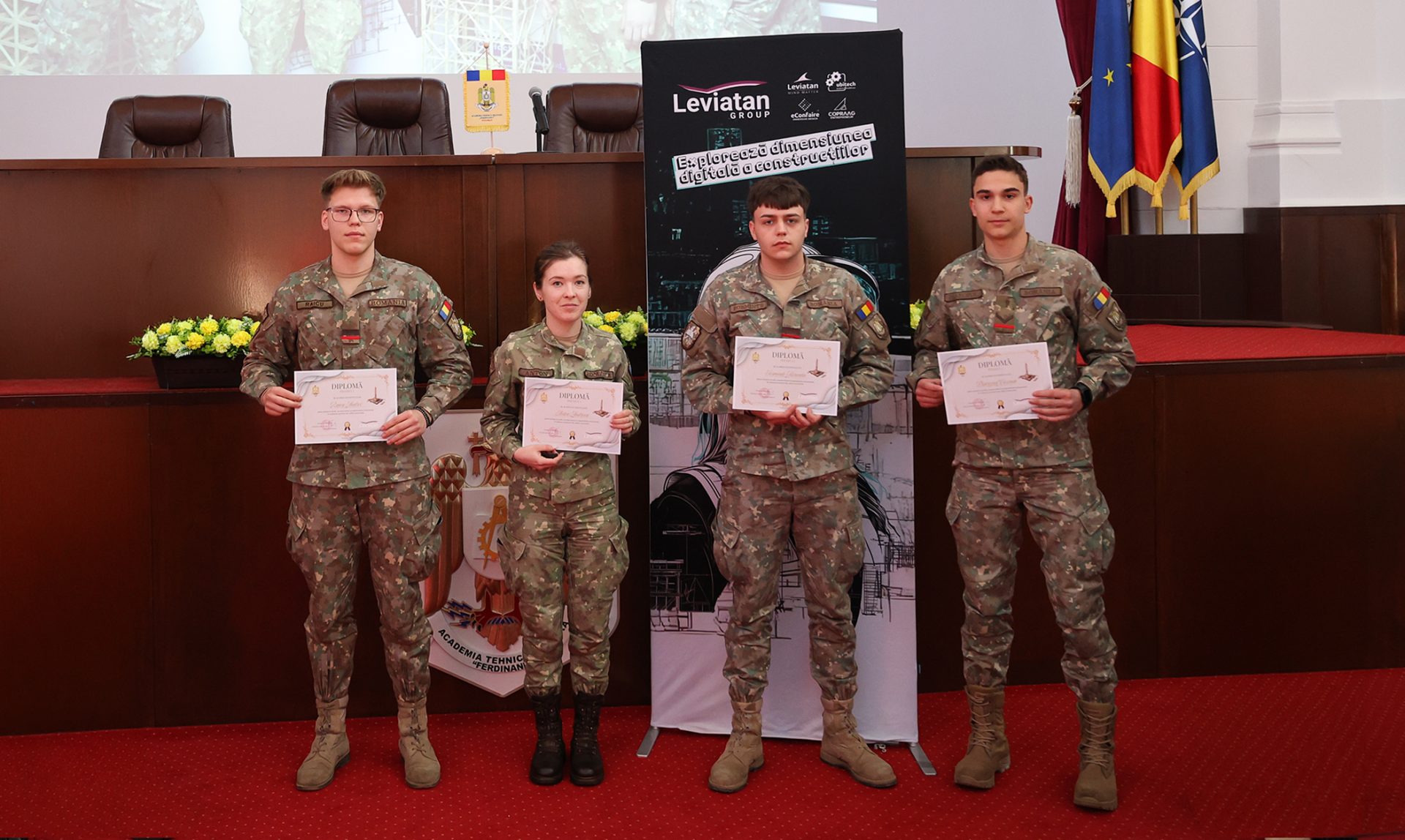
The process was not simple. Building the models required dozens of hours of work, attention to detail, and continuous optimization of technical solutions – aspects also reflected in the experience of the second-place team:
“It was an intense yet highly rewarding experience. After dozens of hours spent working on minute details, the moment we saw our work displayed alongside other impressive projects was truly magical. We had the opportunity to step out of our comfort zone and test the limits of our creativity and technical skills. Winning second place brings us great joy. It is not just a confirmation of our hard work, but also proof that we are on the right path and that attention to detail always makes the difference,” said Andrei, Spiridon, Cristian, and Ștefan, second-place winners.
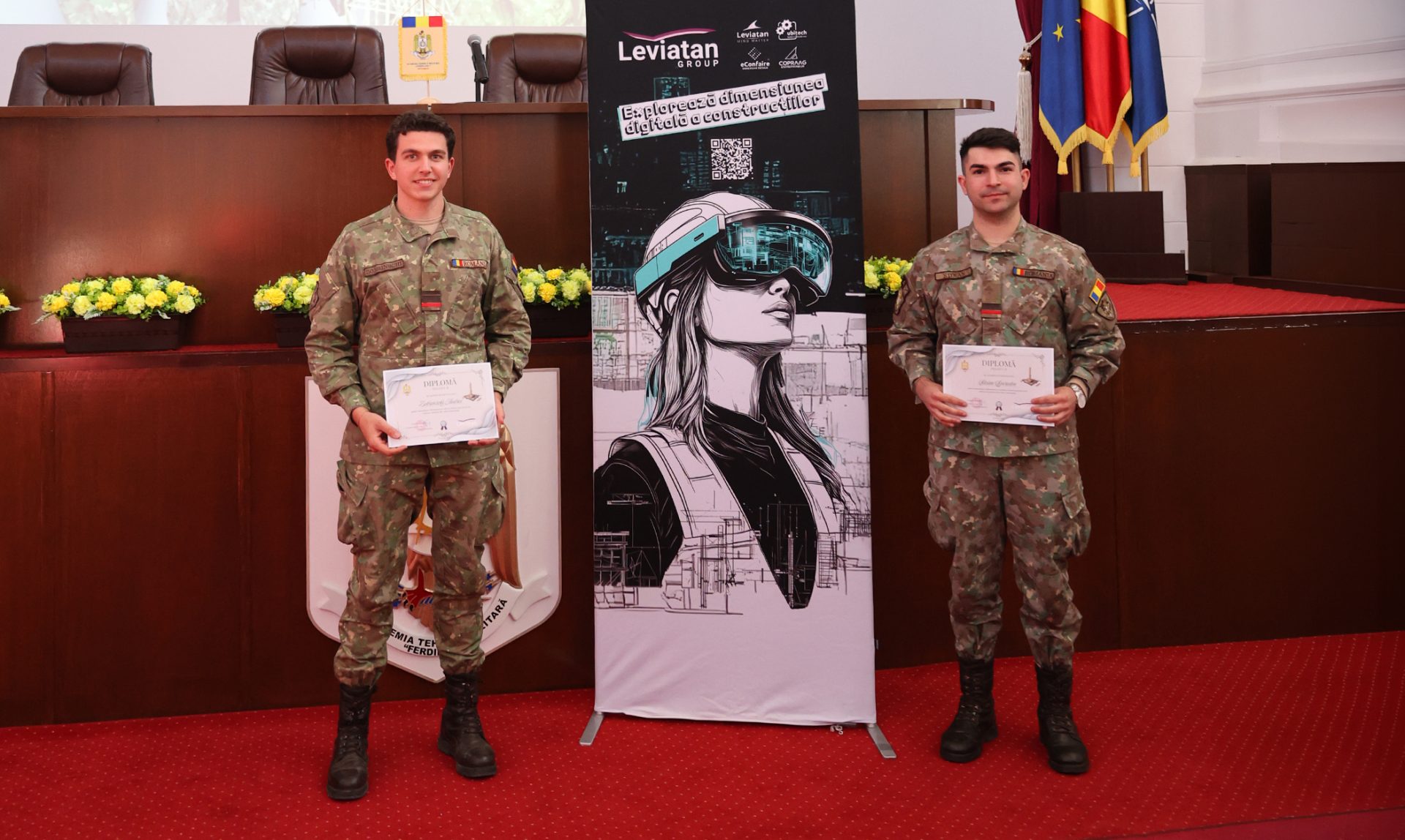
At the same time, the competition emphasized collaboration rather than individual performance. Beyond the result, teams had to function cohesively, distribute roles, and make quick decisions:
“We are very happy to have participated in this competition. The experience was enjoyable and helped us develop both our teamwork and individual skills. Each of us was actively involved and did our best to achieve the best possible result. We communicated effectively, supported each other, and complemented each other’s ideas. We appreciate the prize we received, which recognizes our team’s effort and hard work. It motivates us to continue engaging in similar activities and to keep developing,” said Paul, Denisa, Geanina, and Octavian, third-place winners.
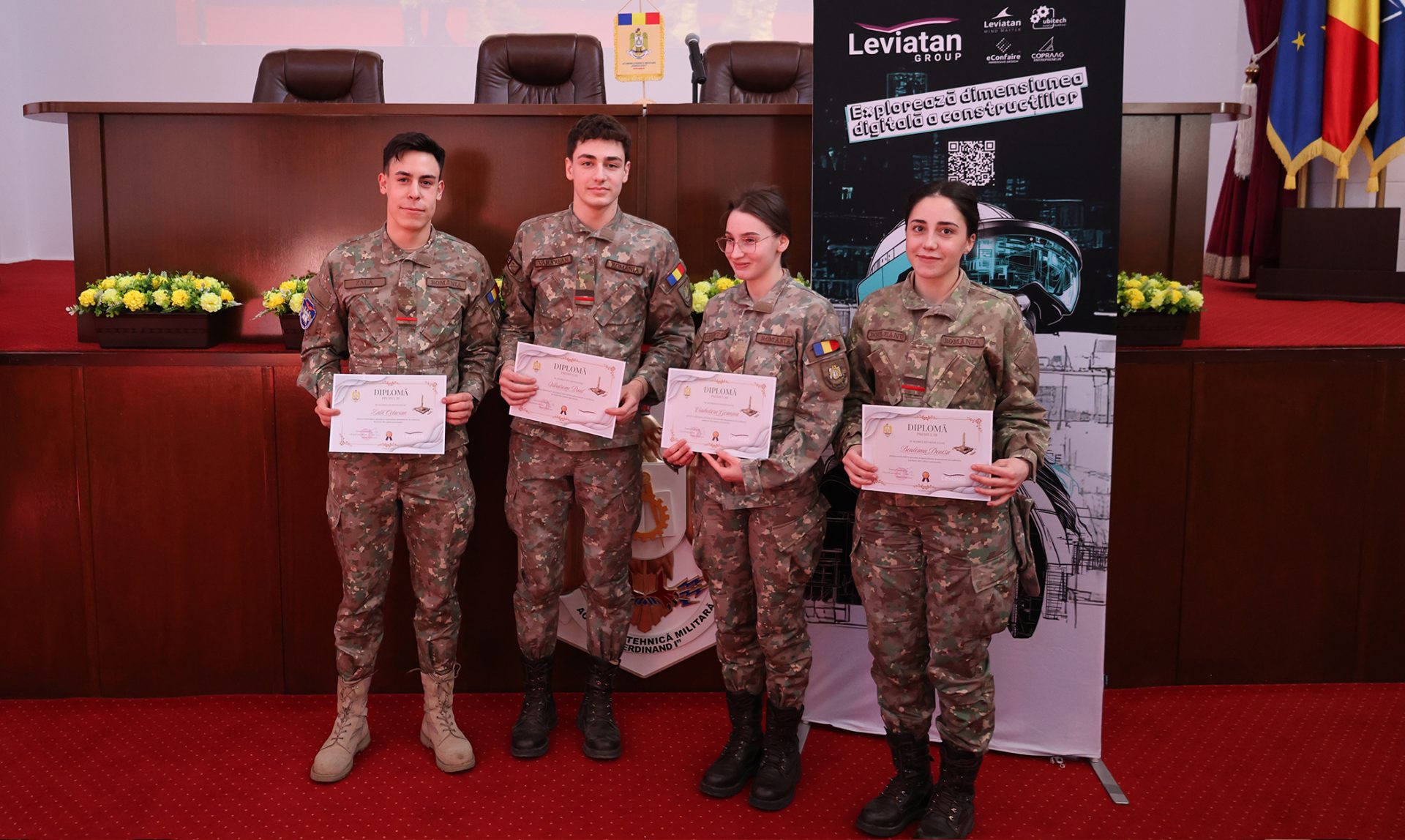
Maria and Cezar, members of the Leviatan Group team, attended the award ceremony to support the winners and congratulate them on their results, as well as on the dedication, seriousness, and passion with which they approached this engineering challenge.
A consistent commitment to supporting the academic environment
Supporting this competition is part of Leviatan Group’s strategy to contribute to the academic environment and the training of future engineers through initiatives that encourage performance, practical application of knowledge, and closer alignment with real industry challenges.
Over time, the group has also supported other relevant competitions for students of the “Ferdinand I” Military Technical Academy, such as the National Student Competition in Strength of Materials “C. C. Teodorescu” (2025), where prizes included an Apple MacBook Air, an Apple iPad, Apple AirPods Max headphones, and financial rewards, as well as the National Student Competition in Mechanics “Andrei G. Ioachimescu” (2024), where a Meta Quest 3 VR headset was awarded.
In parallel, Leviatan Group specialists have been directly involved in student training by delivering presentations and sessions within ATM internship programs. This contribution complements theoretical learning through exposure to real projects and current industry solutions.
An investment that builds the future
The seismic design competition was a clear example of how a relevant educational ecosystem can be built – one where students are challenged to think practically, test solutions, and take ownership of engineering decisions.
For Leviatan Group, supporting such initiatives means more than involvement – it represents a direct investment in the future of engineering and in shaping professionals capable of designing responsibly in a real-world context marked by challenges such as seismic risk.

Comments are closed