




Strategic Dialogue in Washington: Leviatan Group alongside NSC in supporting key issues for the Black Sea Region
Listen to this article
Provider: Elevenlabs
Article narration
0:00 / 0:00
Voce generată cu AI.
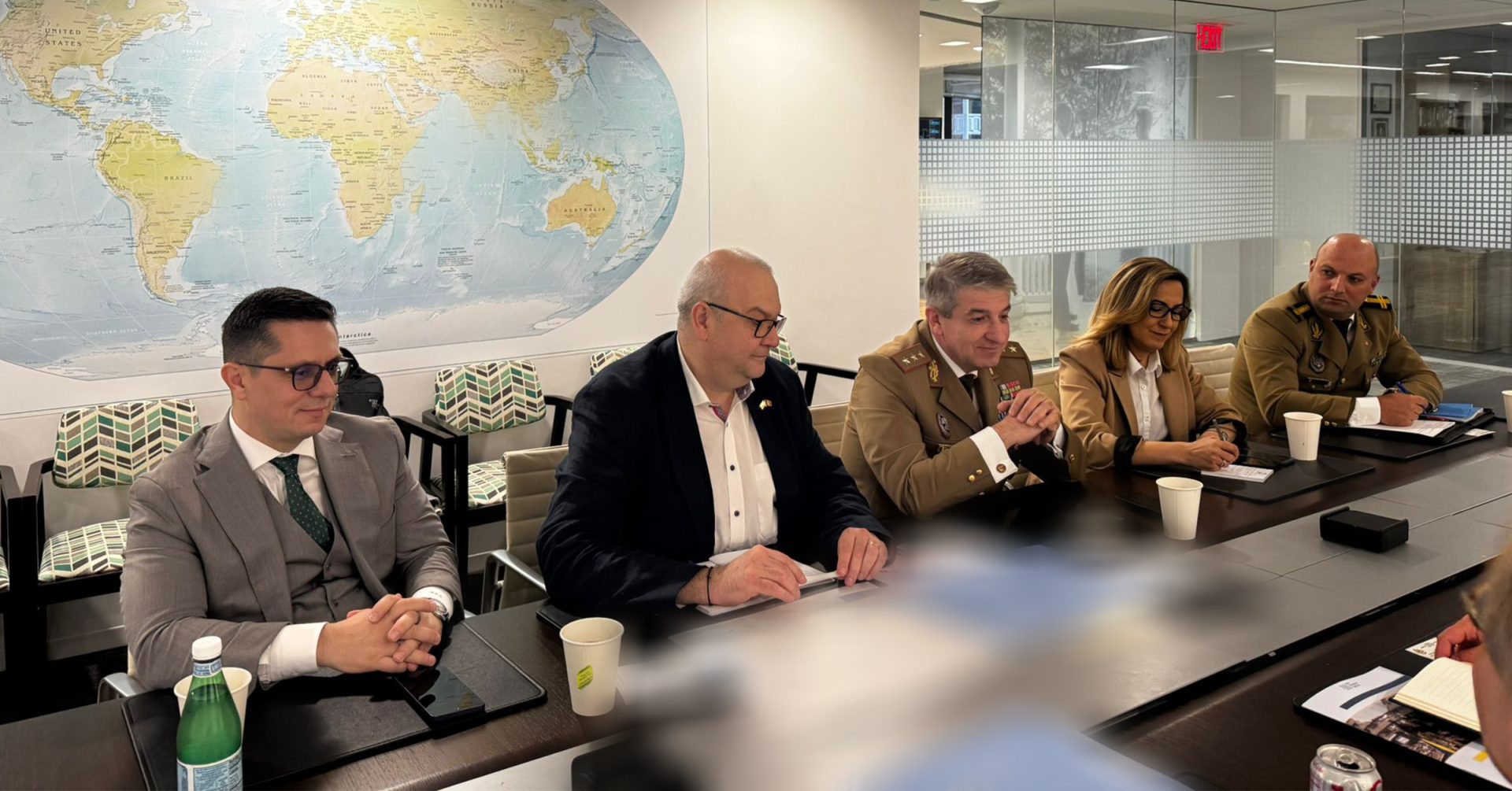
From April 14–16, 2026, Leviatan Group supported the New Strategy Center (NSC) think tank’s participation in a series of events in Washington, D.C., focused on strategic dialogue on Black Sea regional security, transatlantic cooperation, and the prospects for Ukraine’s reconstruction.
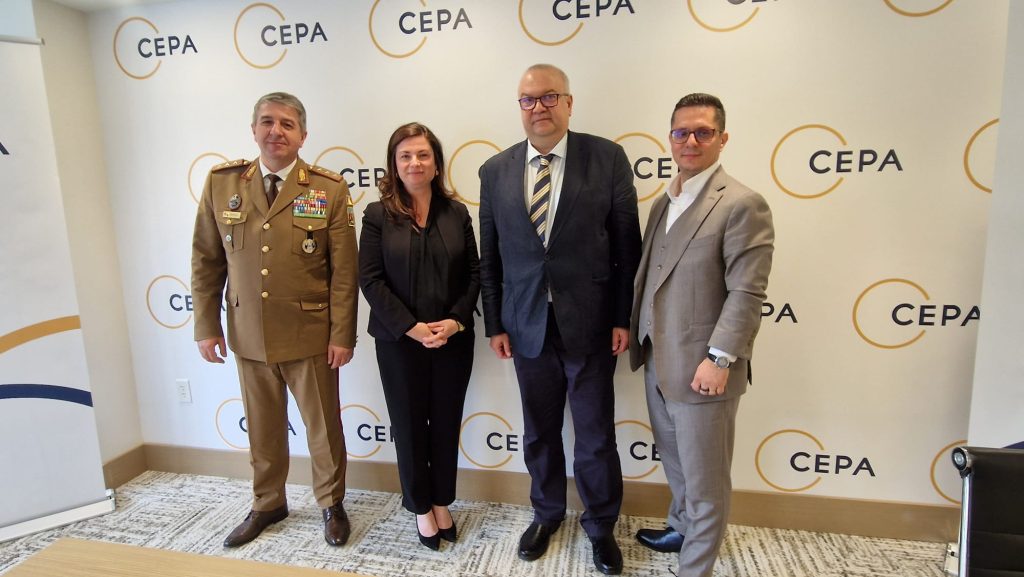
Cătălin Podaru, CEO of Leviatan Group, participated alongside George Scutaru, CEO of New Strategy Center, in the “Free and Open Spaces Forum” event, organized by The Heritage Foundation, as well as in meetings at the U.S. Congress with experts from the U.S. Senate Foreign Relations Committee and the House Armed Services Committee, and with experts from the Hudson Institute, the Atlantic Council, the Heritage Foundation, America First, and the Center for European Policy Analysis (CEPA).
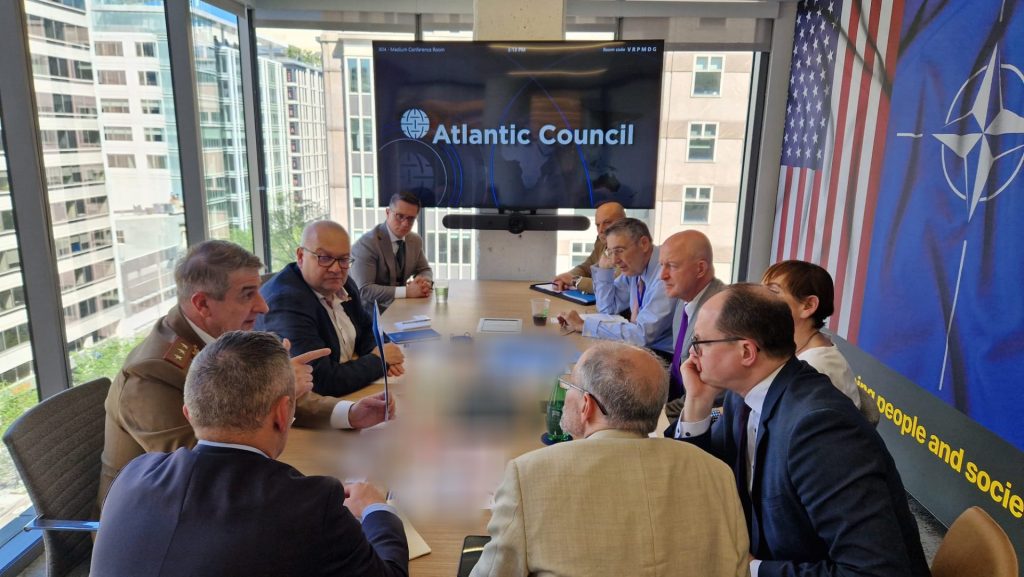


This initiative reflects the Leviatan Group’s constant commitment to supporting initiatives that bring to the forefront issues of vital importance to Romania and the region. In a geopolitical context marked by instability, pressures on European security, and the need to strengthen cooperation among allies, participation in such meetings helps keep strategic topics on the international dialogue agenda and supports a coherent perspective on the role of the Black Sea region in the Euro-Atlantic security architecture.
A Strategic Agenda for Security in the Black Sea Region
During meetings and events held in the U.S., the New Strategy Center emphasized the strategic importance of the Black Sea region, the need to maintain freedom of navigation, the relevance of energy and food security, and the essential role of the U.S. presence in Romania in strengthening NATO’s Eastern Flank. At the same time, Romania’s efforts to modernize its military capabilities, develop the infrastructure for military mobility, and strengthen its role in the region were highlighted, as the security of the Black Sea region has direct implications for European stability.
In the same vein, participation in the “Free and Open Spaces Forum” highlighted the importance of maintaining a free and open Black Sea, not only from a military perspective but also considering the maritime security’s impact on energy projects, trade corridors, and global food security. In a regional space at the intersection of major geopolitical interests, these issues transcend the strictly strategic sphere and directly influence the long-term prospects for development, connectivity, and stability of the region’s states.
The reconstruction of Ukraine – a responsibility that also concerns the future of the region
Another important topic addressed during these meetings was the reconstruction of Ukraine, an issue that cannot be separated from the broader discussion on security, infrastructure, and regional cooperation. In this context, the strategic importance of the Danube as a gateway to the Black Sea and a direct link to the heart of Europe was emphasized, as well as the role that the ports of Galați and Brăila, along with Reni, Ismail, and Giurgiulești, can play in establishing a regional logistics hub capable of supporting both Ukraine’s reconstruction and the development of trade in this part of Europe.

Cătălin Podaru, CEO of Leviatan Group, views Ukraine’s reconstruction as a process that must be understood beyond the logic of an immediate response to the crisis. The recovery of our neighboring country should mean not only rebuilding infrastructure damaged by war, but also the opportunity to contribute to the development of a modern, efficient, and sustainable framework based on digitalization, transparency, rigorous coordination, and high standards of execution. From this perspective, reconstruction is not just about intervention, but also about vision. This approach can transform a recovery process into one of sustainable development.
In this context, Leviatan Group’s experience in managing complex projects and its focus on sustainable, high-performance construction align with this vision for reconstruction. The BSI Kitemark™ certification for BIM reflects the group’s ability to work to international standards, with transparent processes, secure information, and better control over costs, deadlines, and quality – essential elements in a long-term reconstruction process.
For Leviatan Group, Ukraine’s reconstruction involves more than just addressing damaged infrastructure – it means supporting communities, strengthening local government, transferring know-how, and building partnerships capable of sustaining this process over the long term. From this perspective, cooperation with companies in Ukraine and the Republic of Moldova can play an important role in developing clear projects that contribute to sustainable, modern, and efficient reconstruction.

Comments are closed